
San Antonio summers have a way of making smooth, comfortable skin feel less like a luxury and more like a daily priority. If you’re researching professional hair removal in San Antonio, TX, you’ve likely landed on the same central comparison: waxing versus shaving. Both remove unwanted hair. Both have their defenders. But the differences in results, skin effects, and long-term time investment are significant enough to deserve a clear, side-by-side look before you decide.
What Shaving Actually Does to Your Skin
Shaving removes hair at the skin’s surface. A razor blade cuts the hair shaft cleanly at or just below the skin line, which is why the results last such a short time. Most people need to shave every one to three days to maintain smooth skin, and for areas like the legs, underarms, or bikini line, that adds up to a significant time commitment across a year.
The skin effects of regular shaving are well-documented. The American Academy of Dermatology outlines multiple hair removal options and notes that shaving is among the most common sources of skin irritation and ingrown hairs. When hair is cut at the surface rather than pulled from the root, it grows back with a blunt, flat tip. That blunt tip can curl back into the skin as it regrows, creating the red bumps and ingrown hairs that are a common side effect of frequent shaving. People with coarser or curlier hair types tend to experience this more acutely.
Shaving also does nothing for the texture of your skin over time. There’s no exfoliation involved, no change to the hair follicle, and no gradual improvement with repeated use. You get the same result, repeated indefinitely.
None of this means shaving is without value. It’s painless, costs little, and is useful in a pinch. But for people who want genuinely smooth skin without constant maintenance, it has clear limits.

Why Waxing Produces Different Results
The difference between waxing and shaving starts at the root. Waxing removes the entire hair shaft from the follicle rather than cutting it at the surface. Because the root is removed rather than severed, the skin stays smooth for three to six weeks instead of days. Over time, repeated waxing gradually weakens the hair follicle, which means regrowth comes in finer, softer, and often sparser with consistent sessions.
There’s a secondary benefit that’s easy to overlook: exfoliation. When wax is applied and removed, it lifts dead skin cells along with the hair. The result is skin that doesn’t just feel smoother because the hair is gone, but because the surface itself has been renewed. This is why waxing can make your skin softer and healthier in ways that shaving simply can’t replicate. People who switch to regular waxing often notice a visible improvement in overall skin texture within a few sessions.
Research published in a National Institutes of Health study examining waxing versus shaving outcomes found measurable differences in hair regrowth characteristics and skin condition, lending clinical backing to what professional aestheticians have observed in practice for decades.
“Over time, regular waxing can make the hair grow back finer and softer because repeated removal gradually weakens the follicle.”
The initial discomfort is real but temporary. Most people who get waxed regularly report that the sensation decreases over time as the hair regrows finer and the follicle becomes less resistant with each session.
Waxing vs. Shaving: A Direct Comparison
Here’s how the two methods stack up across the factors that matter most when making a long-term hair removal decision:
| Factor | Waxing | Shaving |
|---|---|---|
| Results Duration | 3 to 6 weeks | 1 to 3 days |
| Skin Feel | Smooth, no stubble | Smooth briefly; stubble returns quickly |
| Ingrown Hair Risk | Lower with proper prep and aftercare | Higher, especially with coarser hair types |
| Time Investment | One appointment every few weeks | Daily or near-daily maintenance |
| Skin Texture Over Time | Improves with regular sessions | No change to skin texture |
| Pain Level | Mild to moderate; decreases with regularity | Painless |
| Long-Term Cost | Lower overall when time is factored in | Low per use, high in cumulative time |
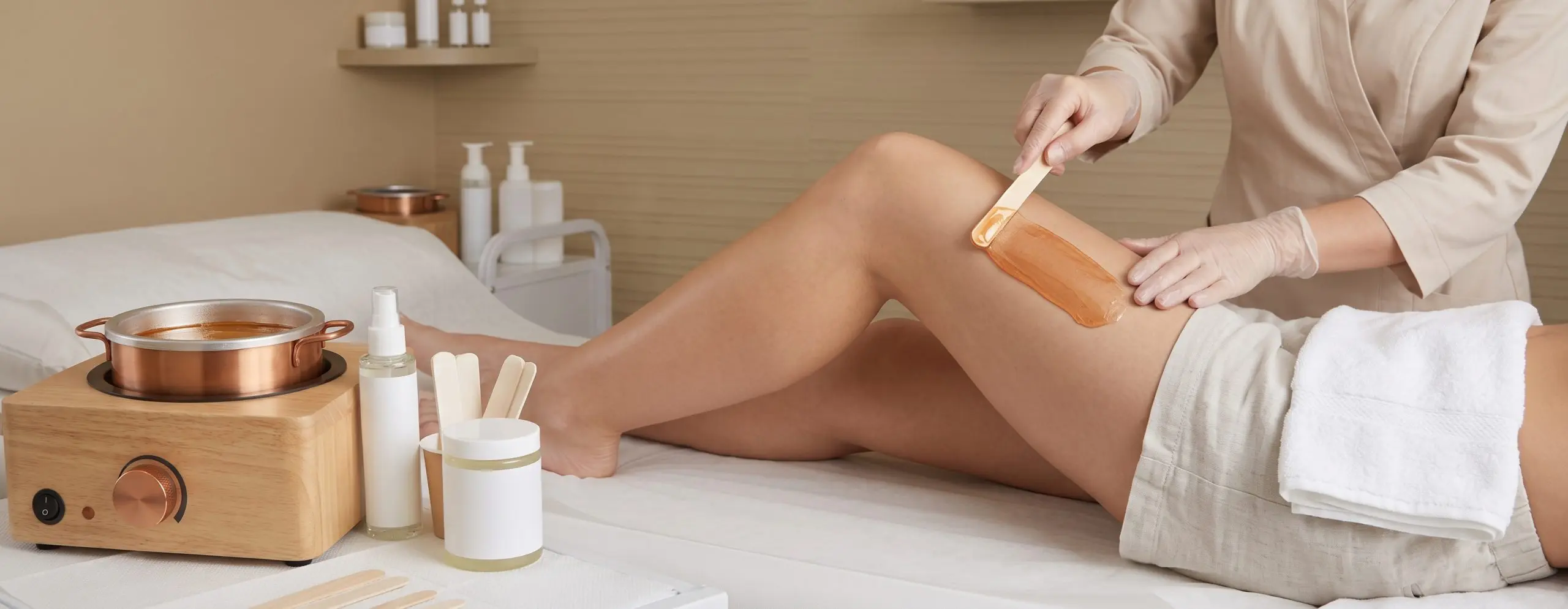
What Professional Waxing in San Antonio Actually Involves
Professional waxing differs from an at-home attempt in three meaningful ways: the products used, the technique applied, and the hygiene standards maintained throughout the service. A licensed aesthetician working in a professional setting uses either hard wax or soft wax depending on the treatment area, and each performs differently.
Hard wax adheres to the hair rather than the skin and is generally gentler on sensitive areas like the bikini line, underarms, and upper lip. Soft wax, applied in a thin layer with a strip, is typically preferred for larger surface areas like the full legs and arms. Choosing the right wax for each area is something a professional handles automatically, whereas at-home kits rarely allow for that level of precision.
The waxing services in San Antonio at Abel R Nail Bar cover a full range of areas, from eyebrows and full face to underarms, half and full legs, Brazilian, and chest. For anyone considering a more comprehensive treatment, the guide to full body waxing in San Antonio walks through what each service involves and how to prepare.
Working with a trained professional also means real-time guidance on hair length, skin sensitivity, and timing between appointments, all of which make a measurable difference in how clean the result looks and how comfortable the process is.
How to Prepare for Your Waxing Appointment
Preparation affects both how comfortable the service is and how smooth the result looks. A few straightforward steps in the days before your appointment make a meaningful difference in the outcome.
- Hair Length Your hair should be at least a quarter of an inch long, roughly the size of a grain of rice. Hair that’s too short doesn’t wax cleanly; hair that’s too long should be trimmed before your appointment rather than shaved.
- Exfoliate Beforehand Gently exfoliate the treatment area 24 to 48 hours before your appointment to remove dead skin cells and help the wax grip the hair rather than the skin. Skip exfoliation on the day of the appointment.
- Pause Retinoids If you use retinol or prescription retinoid creams, stop applying them to the treatment area at least five days before waxing. These ingredients thin the skin and increase the risk of irritation or tearing.
- Avoid Recent Sun Exposure Waxing on sunburned or freshly tanned skin increases sensitivity significantly. Give yourself at least 24 hours after significant sun exposure before your appointment, which is worth keeping in mind for anyone spending time outdoors in San Antonio.
- Stay Hydrated Well-hydrated skin holds up better to waxing than dry skin. Drink water and moisturize in the days leading up to your session.
The American Academy of Dermatology’s guide on how to wax covers these preparation steps in detail and is a useful reference for understanding what professional-grade prep actually involves.

Aftercare That Protects Your Results
The 24 to 48 hours after waxing are when your skin is most sensitive. How you treat it during this window affects how long your results last and how comfortable your skin feels in the days that follow.
- Avoid heat for 24 hours. Skip hot showers, saunas, hot tubs, and intense exercise. Heat opens the pores and increases the risk of irritation and breakouts in freshly waxed skin.
- Choose loose clothing. Tight waistbands, leggings, or fitted garments create friction against freshly waxed skin and can cause irritation. Opt for looser fabrics for the rest of the day after your appointment.
- Hold off on exfoliation. Wait at least 48 hours before resuming any exfoliation routine. After that, gentle exfoliation two to three times a week helps prevent ingrown hairs as the hair regrows.
- Moisturize daily. A simple, fragrance-free moisturizer keeps the skin supple and helps maintain smoothness between appointments. Avoid products with strong fragrances or active acids immediately after waxing.
The Cortiva Institute, a licensed aesthetics and massage school, outlines the lasting skin improvements that come from consistent waxing maintenance rather than one-time sessions, which reflects what most regular waxing clients notice over time.
Frequently Asked Questions
How long does waxing last compared to shaving?
Professional waxing typically keeps skin smooth for three to six weeks, depending on your hair type and natural growth cycle. Shaving produces regrowth within one to three days because the hair is cut at the surface rather than removed from the root. Over time, regular waxing can extend results even further as repeated removal weakens the follicle and slows regrowth.
Is waxing painful if you’ve never done it before?
Waxing involves a brief, sharp discomfort at the moment of removal. Most first-time clients find the sensation manageable, particularly for smaller areas like eyebrows or underarms. More sensitive areas, like the bikini line, have a higher sensation level, but they’re still tolerable for most people. With regular sessions, the discomfort decreases noticeably as the hair grows back finer and the follicle becomes easier to clear.
How often should you get professionally waxed?
Most people find a schedule of every three to five weeks works well, which aligns with the natural hair growth cycle. Booking too early, when the hair is still too short, produces less effective results. Waiting too long means the hair is harder to wax cleanly. Your aesthetician can help you dial in the right interval for your specific hair type and the areas you’re having treated.
The Bottom Line
Shaving is quick. Professional waxing is effective. The two methods solve different problems, and once you understand how each one affects your skin and your schedule over time, the choice for lasting smoothness becomes straightforward. If you’re curious about what it’s like to spend a full summer in San Antonio without the daily shave, reading about surviving a San Antonio summer with freshly waxed skin is a useful next step.
Professional waxing isn’t right for every situation, but for anyone who has gotten tired of the daily maintenance routine, it’s consistently the option that delivers more with less effort over time.
Ready to Experience the Difference?
The team at Abel R Nail Bar includes licensed aestheticians who bring precision and genuine care to every waxing appointment, whether it’s your first session or part of an ongoing routine. Explore the full range of waxing services available at our San Antonio studio, or contact us to book your appointment and start experiencing skin that stays smooth for weeks, not days.
Book Your Appointment